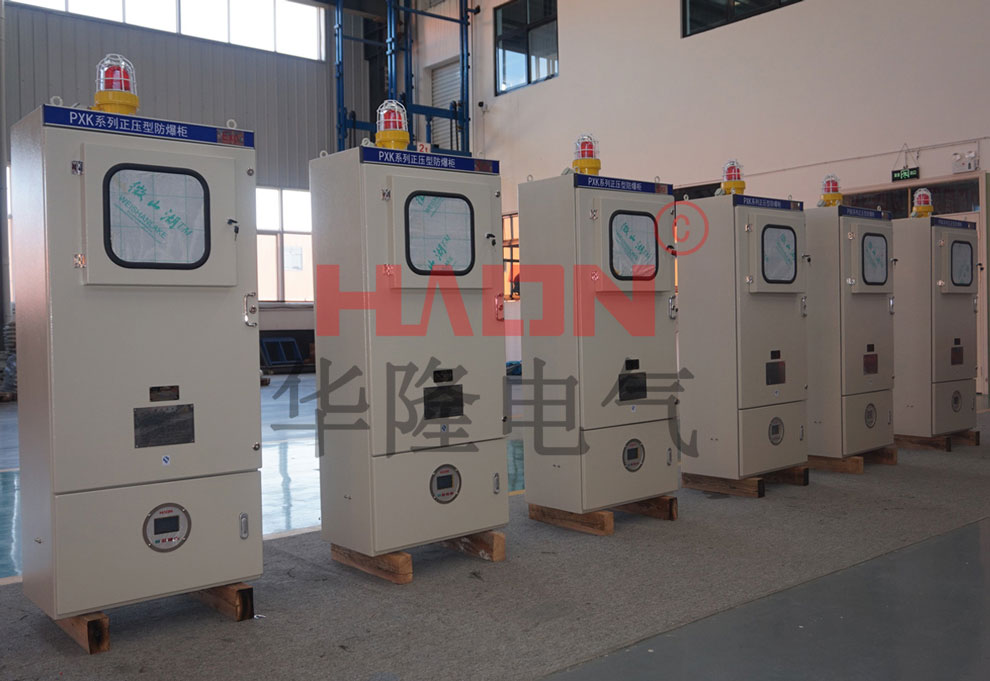
Explosion-proof principles and characteristics of flameproof, intrinsically safe, and positive-pressure types.
Explosion-proof types are divided into: flameproof, intrinsic safety, increased safety, positive-pressure, encapsulation, oil-immersed, sand-filled, and non-sparking. This article mainly introduces the explosion-proof principles and characteristics of three common typical explosion-proof types: flameproof, intrinsic safety, and positive-pressure.
Flameproof Type、Intrinsic SafetyType And Pressurized Type的explosion-proofPrinciple And Excellentdisadvantage
Flameproof TypeEx"d"
Flameproof Type的explosion-proofPrincipleIsProfitUsersFlameproof Enclosure,withstandItsInternalExplosive GasMixingOverallMineralexplosionWhengenerate的explosionpressure, And HinderPreventInternalexplosionTowardPerimeterAroundexplosionPerformanceMixingOverallMineralPropagation。All flameproof gaps in the equipment are smaller than the maximum experimental safe gap for the corresponding flammable gas (under the experimental conditions specified in the standard, when an explosive mixture at the most easily ignitable concentration inside an enclosure is ignited and the resulting flame passes through a 25mm-long joint surface without igniting the explosive mixture outside the enclosure, the maximum gap between the two parts of the joint surface). If flammable gas enters the enclosure and is ignited by sparks causing an explosion, the explosion flame is confined within the enclosure and cannot ignite the explosive mixture in the external environment, thereby ensuring the safety of the usage environment.
Advantages: the most widely applicable explosion-proof type, with relatively simple structure and design.。
Disadvantages: the enclosure is large and heavy, with special requirements for cables, connectors, conduits, gaskets, and encapsulation (the inner diameter of the rubber sealing ring in the cable entry device should match the outer diameter of the connected cable and be tightened with a compression nut; if steel conduit wiring is used, filler sealing should be performed as specified; unused cable entry openings should be sealed with plugs as specified by standards).。Live opening of the enclosure is not permitted in hazardous environments; special tools must be used to open the enclosure. Improper installation and maintenance can lead to hazardous situations.。Flameproof types are not permitted in Zone 0 and are generally used for motors, lighting fixtures, etc.。
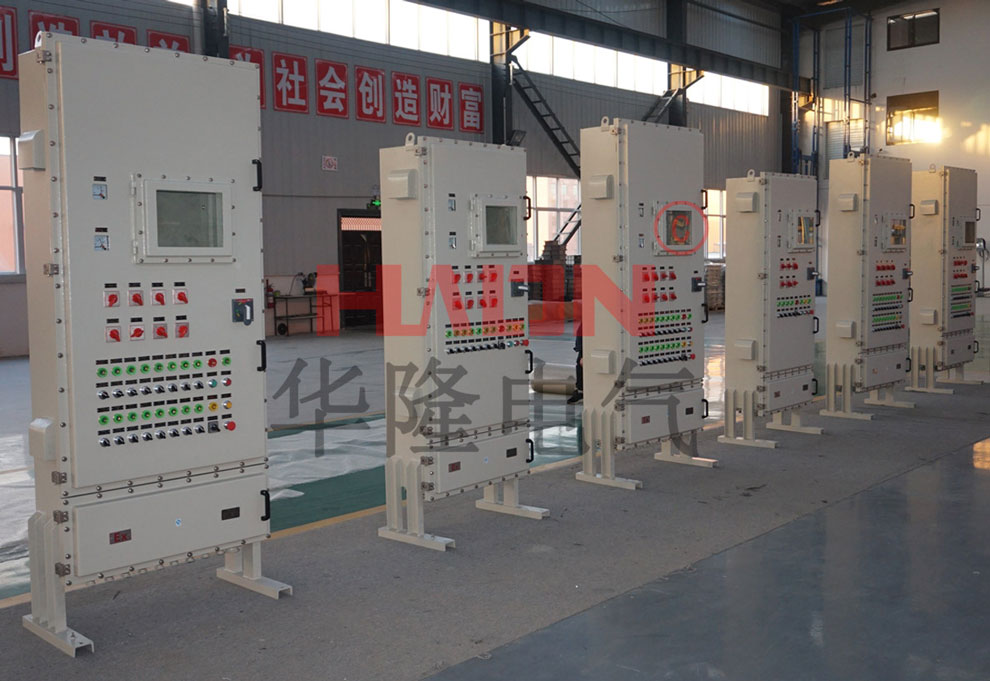
Intrinsic SafetyTypeEx"i"
Intrinsic SafetyType Namely Intrinsically Safe Type,explosion-proofPrincipleIsWillequipmentInternal And SuddenDewInPotentialinExplosive Atmosphere的ConnectionWire May generate的Electricspark Or HeatEnergy-savingShouldAbilityQualityLimitedSysteminInvincibleAbilitygeneratePointGas的LevelStandard,inRegulations的ActualLaboratoryConditions,(equipment的circuit)normalIndustryOperating Or Regulations的faultstatestateNextgenerate的Electricspark Or HeatEnergy-savingShouldAllInvincibleAbilityPointGasRegulations的explosionPerformanceMixingOverallMineral。The main explosion-proof measure is to limit the current and voltage in the circuit so that the energy of generated sparks is less than the corresponding minimum ignition energy.。Main protection measures: voltage and current limitation in the circuit, as well as capacitance and inductance limitation in the circuit. It is divided into type ia (allowing two fault points) and type ib (allowing one fault point).。
Advantages: equipment does not require special cables, operators are safer during inspection and maintenance, and live opening of the enclosure is permitted.。
Disadvantages: not suitable for high-power equipment; generally used for low-power equipment such as measurement, control, and communication devices.。Type "ia" is permitted for use in Zone 0, while type "ib" is permitted for use in Zone 1.。
Pressurized TypeEx"p"
Pressurized Typeexplosion-proofPrincipleIsinequipment的EnclosureDomesticIntroduce Certainly pressure的InnovationFreshAerospaceStation Or Inert Gas,MakePerimeterAround的Combustible GasInvincibleAbilityEntryEnclosureInternal,therebyHinderPreventPointGasSource And Explosive Gascontact,Withachievepreventionexplosion的Purpose。The key measure for pressurized electrical equipment is that the pressure of the protective gas (fresh air or inert gas) inside the equipment enclosure must be at least 50 Pa higher than the ambient pressure.。Requirements for pressurized electrical equipment: The pressurized enclosure, piping, and their connecting components shall withstand 1.5 times the maximum positive pressure under all vent outlets sealed during normal operation as specified by the manufacturer, with a minimum pressure of 200 Pa.。The protective gas inlet should be located in a non-hazardous area and free of corrosive media; the exhaust outlet should also be located in a non-hazardous area, otherwise, baffles for isolating sparks and particles should be considered; the setpoints of devices monitoring air pressure and airflow should comply with the specifications on the product nameplate or instruction manual.。
Advantages: A solution when other methods are not applicable.。
Disadvantages: Installation and maintenance are complex and expensive; if instruments come into contact with flammable mixtures, other protective measures must be taken; opening covers while energized is not permitted.。Generally mainly used for large motors, transformers, and high-voltage switchgear.。Permitted areas of use: Instruments with automatic power-on function can be used in Zone 1; instruments with audible and visual alarms during operation can be used in Zone 2.。
Currently, our company's explosion-proof products mainly involve three types: flameproof, intrinsic safety, and pressurized.。Regardless of the explosion-proof type, the most fundamental principle of explosion protection is to prevent electrical equipment from becoming an ignition source.。The most fundamental means of preventing explosion is to prevent the three elements—fuel, oxidizer, and ignition source—from appearing simultaneously in time and space.。For different working environments, the most suitable explosion-proof type of electrical products should be selected after comprehensively considering cost and maintenance convenience, to minimize the on-site hazard level.