Installation requirements for household explosion-proof air conditioners are stricter compared to ordinary air conditioners.
Explosion-proof air conditioners have passed qualification verification by accredited third-party explosion-proof certification bodies and can be safely operated in hazardous areas and safe areas, while ordinary air conditioners must be used in safe areas only.。
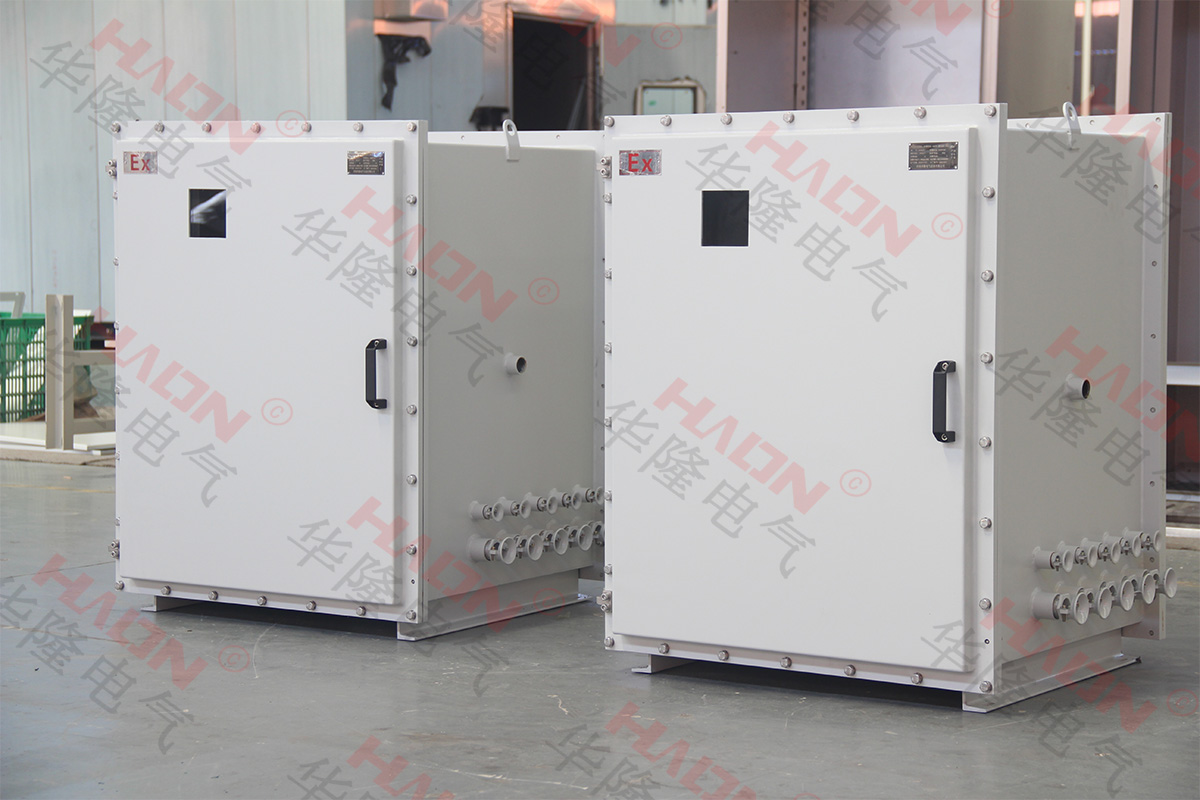
The biggest difference is that the two types of air conditioners have completely different requirements in the design and manufacturing of motor control components.。
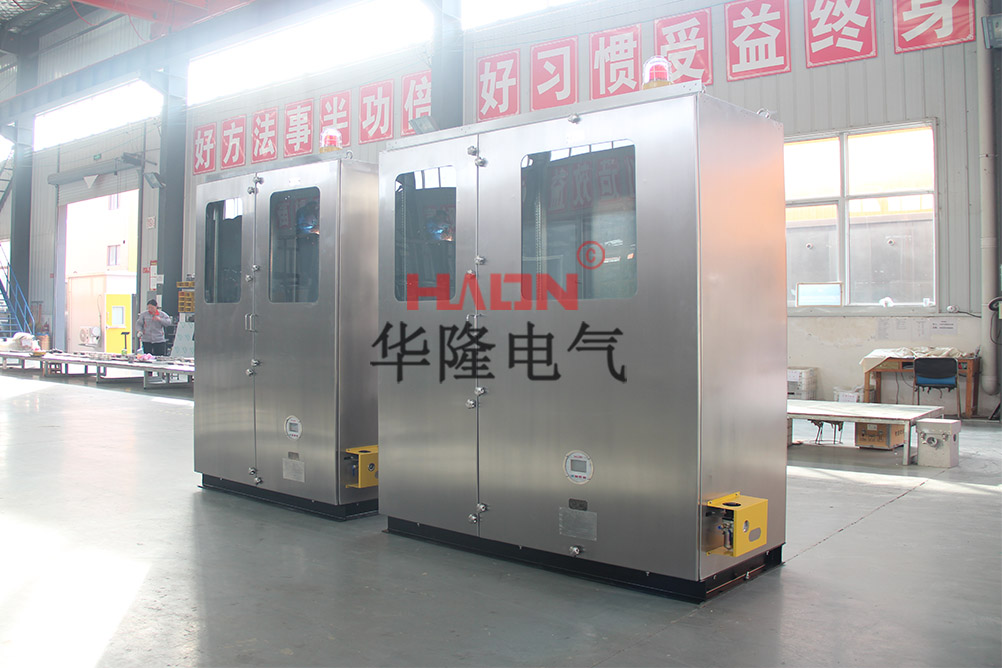
Explosion-proof air conditioners belong to specialized air conditioners with higher requirements for ignition, breakdown voltage, and electrical clearance of motor control components; ordinary air conditioners only need to meet national industry standards.。
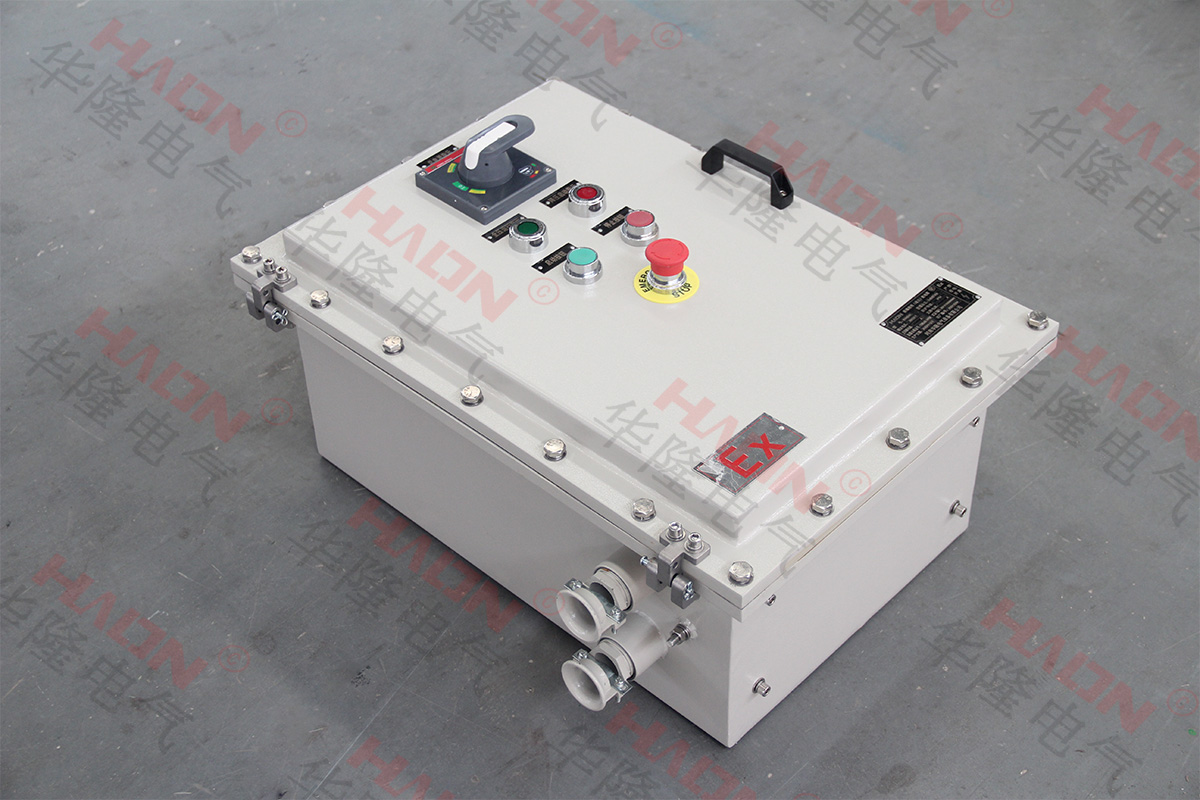
Explosion-proof air conditioners have passed qualification verification by accredited third-party explosion-proof certification bodies and can be safely operated in hazardous areas and safe areas, while ordinary air conditioners must be used in safe areas only.。
Explosion-proof air conditioners differ from ordinary air conditioners in that they have better performance and belong to the category of explosion-proof electrical equipment. They are mainly used for cooling and heating of certain rare items, and their design and usage methods are the same as ordinary air conditioners.。Explosion-proof air conditioners can be classified into several levels according to the operating environment: high temperature, ultra-low temperature, extra-high temperature, and extra-ultra-low temperature.。
Like ordinary air conditioners, they have cooling, heating, and automatic defrosting functions, but their compressors, fans, and other components must undergo special explosion-proof treatment.。Explosion-proof products can be used in hazardous chemical warehouses, pharmaceutical facilities, and certain hazardous warehouses in flammable and explosive harsh environments.。The structural types generally adopt composite explosion-proof technologies such as flameproof, intrinsic safety, and encapsulation types.。Since its control terminals are all intrinsically safe, no spark discharge will occur during operation, making it very safe to use. The air conditioner has more complete contact with air during passage, enhancing cooling and heating effectiveness and providing stronger performance. Explosion-proof central air conditioning is divided into manual operation and remote control types. Additionally, China's explosion-proof air conditioning industry has strict regulations, and all manufacturers without production permits are prohibited from producing and selling.
The composition of explosion-proof central air conditioning includes air inlets, air outlets, drainage pipes, rubber hoses, and indoor and outdoor generator units. The outdoor generator unit consists of a compressor, exhaust fan, heat exchanger, and capillaries. Among these, the air inlet functions to draw indoor air in and remove dust through a filter; the air outlet blows the conditioned air out; the drainage pipe discharges indoor moisture converted into droplets by the cooler through the pipe; the rubber hose connects the indoor and outdoor units, and the refrigerant circulates through it.
The installation requirements for explosion-proof household air conditioning are stricter than those for ordinary air conditioning. If installation standards are not met or maintenance is not timely, safety accidents can easily occur. For example, if the plastic shells of electrical equipment such as indoor and outdoor units are not equipped with a grounding system, or if a grounding system exists but the resistance is too high or the welding is not strong enough, hazardous situations can arise. Currently, the most popular explosion-proof central air conditioning on the market is manufactured by Gree, featuring high quality and high safety.