Why are explosion-proof distribution boxes receiving increasing attention?
Why are explosion-proof distribution boxes receiving increasing attention?
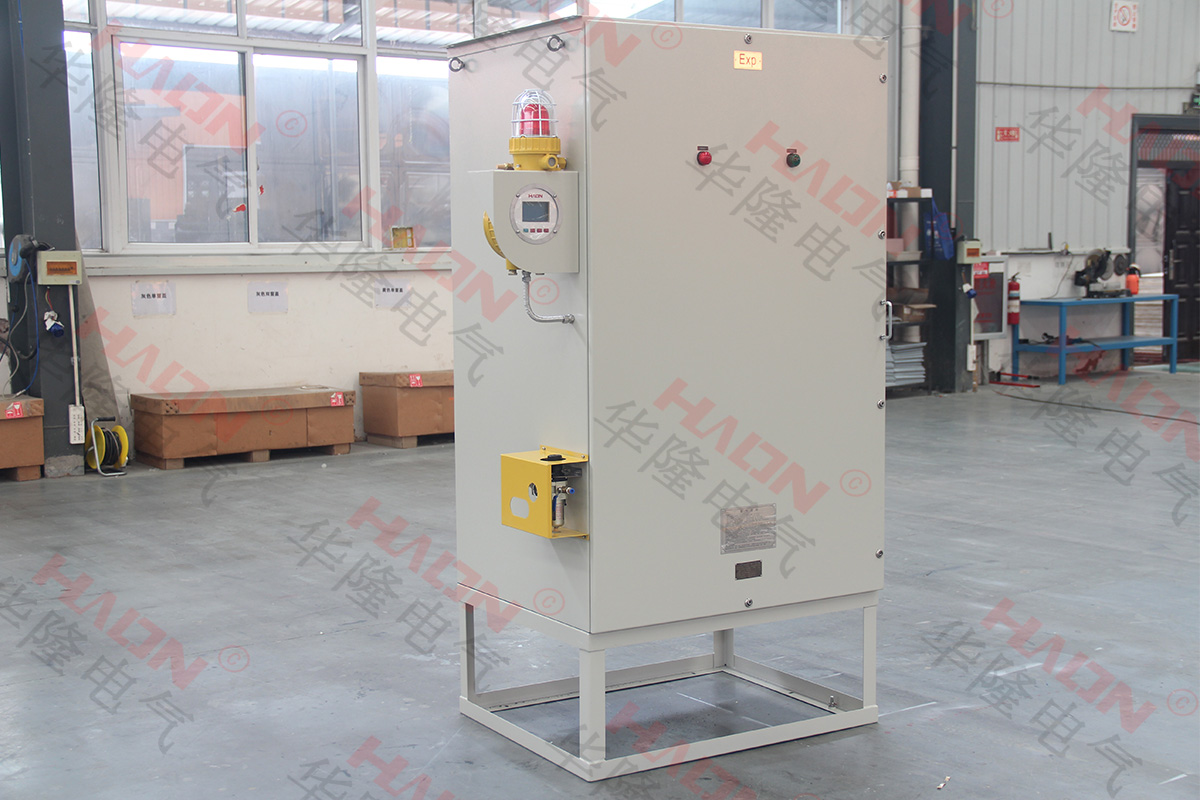
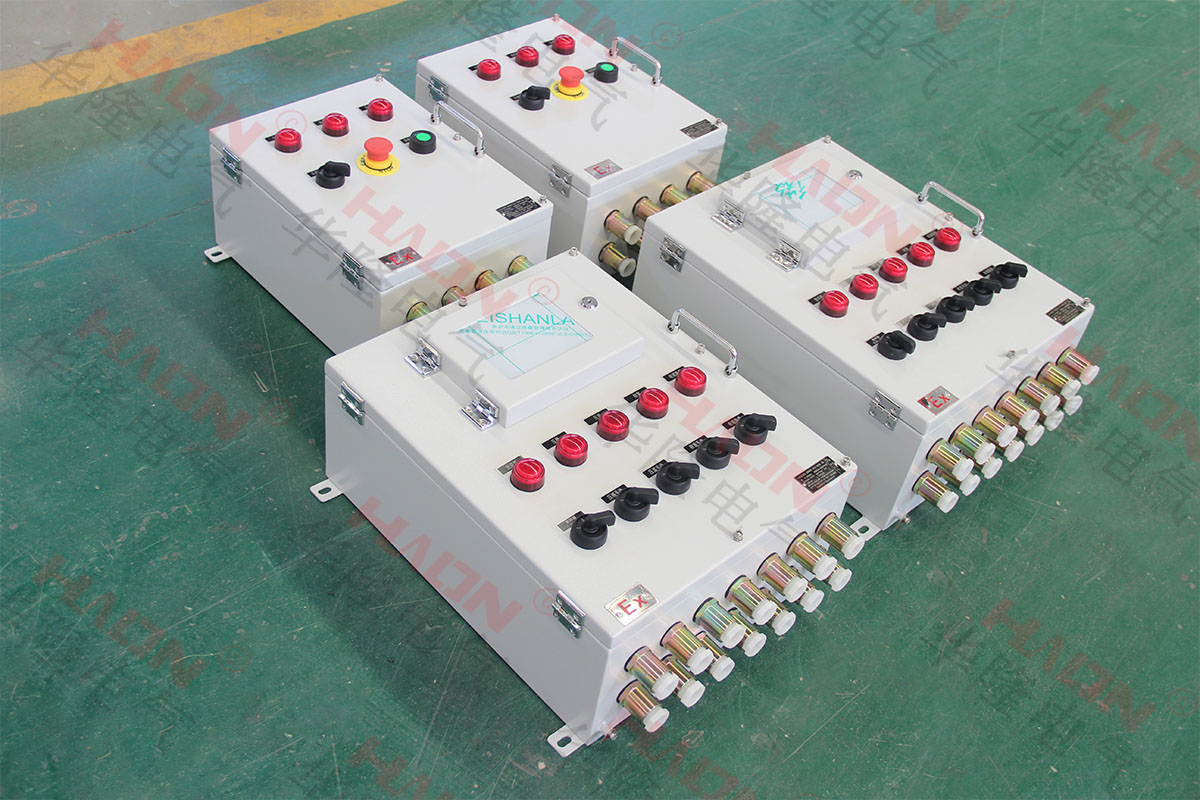
With the development of the petrochemical industry, engineering construction, factories and mines, coal industry, and other fields, explosion-proof distribution boxes are becoming increasingly widely used in processing, warehousing, and emergency rescue, with a gradual increase in categories.。In flammable and explosive gas hazardous locations, how to prevent the formation of accidental explosive accidents during production operations has become a very important topic. Since some equipment inevitably generates electrical sparks during operation, once they come into contact with flammable and explosive hazardous gas mixtures at production processing or emergency rescue sites, explosion accidents can occur, directly endangering people's property and personal safety. Therefore, as a widely used explosion-proof device, the technical characteristics of explosion-proof distribution boxes have attracted widespread attention and special concern.
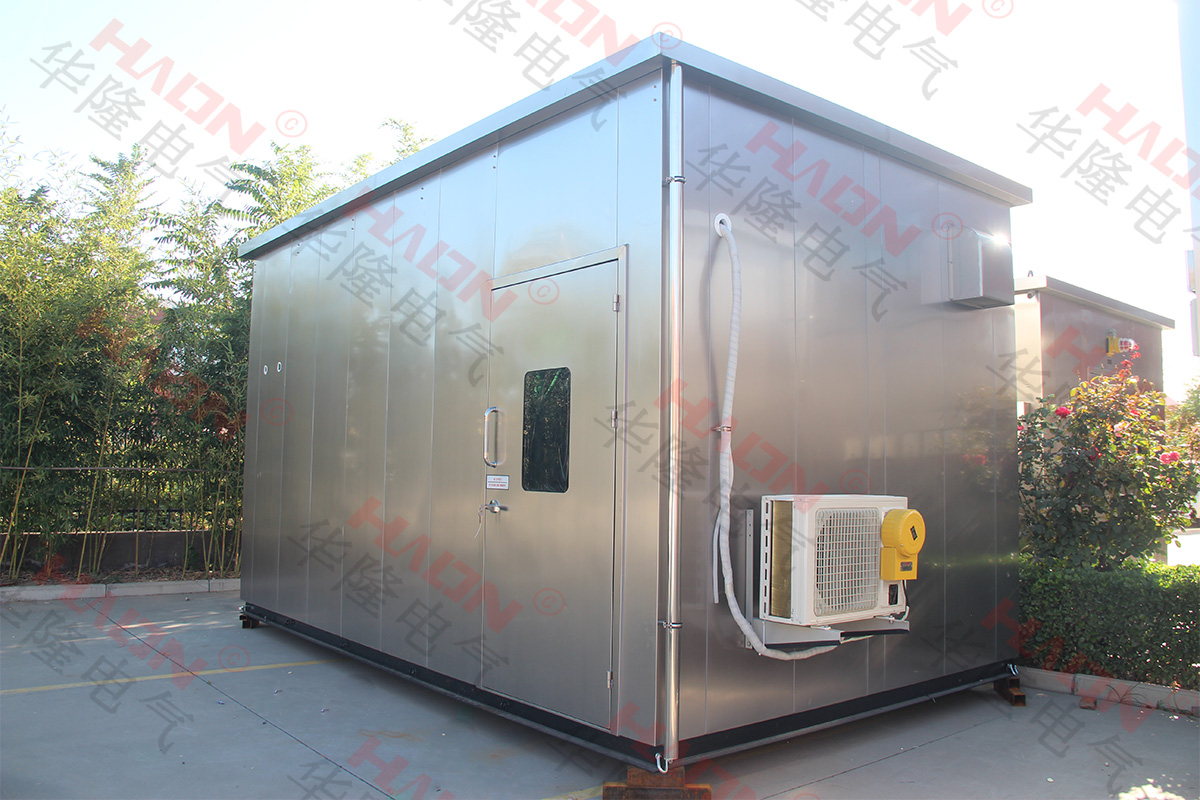
The materials of explosion-proof distribution boxes include aluminum alloy, stainless steel, carbon steel, cast aluminum, and even corresponding engineering plastics can achieve their explosion-proof and corrosion-resistant application characteristics. The difference from ordinary distribution boxes lies in the enclosure and process technology. Ordinary distribution boxes are mostly made of iron, which is affordable and suitable for places without explosion-proof requirements; however, explosion-proof distribution boxes are made by casting or welding steel plates and then processing, with higher strength, and although the price is higher than ordinary boxes, they are more suitable for hazardous locations with flammable gas mixtures.
It will seal components that could potentially ignite a hazardous environment via sparks or thermal energy to prevent fire. This is accomplished by encapsulating components in a compound, which can prevent physical, typically electrical, thermal, mechanical, and chemical interference. The assembly standards for explosion-proof distribution cabinets stipulate that seals must be installed on conduits feeding into enclosures containing devices that may generate arcs, sparks, or high heat. These seals should be assembled within 46cm of the enclosure. This can prevent flames and pressure from transferring from inside the enclosure to the conduit system.If a fault occurs in electrical or electronic products in an area with flammable gases, the fault may cause thermal energy or sparks that can ignite the gas, thereby causing a disaster.。
This is why explosion-proof distribution boxes are receiving increasing attention.?For more related information, please visit Hualong Explosion-Proof at www.hlfbdq.com。